When the Destination Tells Your Story: Seven Ways to Weave Personal Narrative Into Every Detail of a Celebration

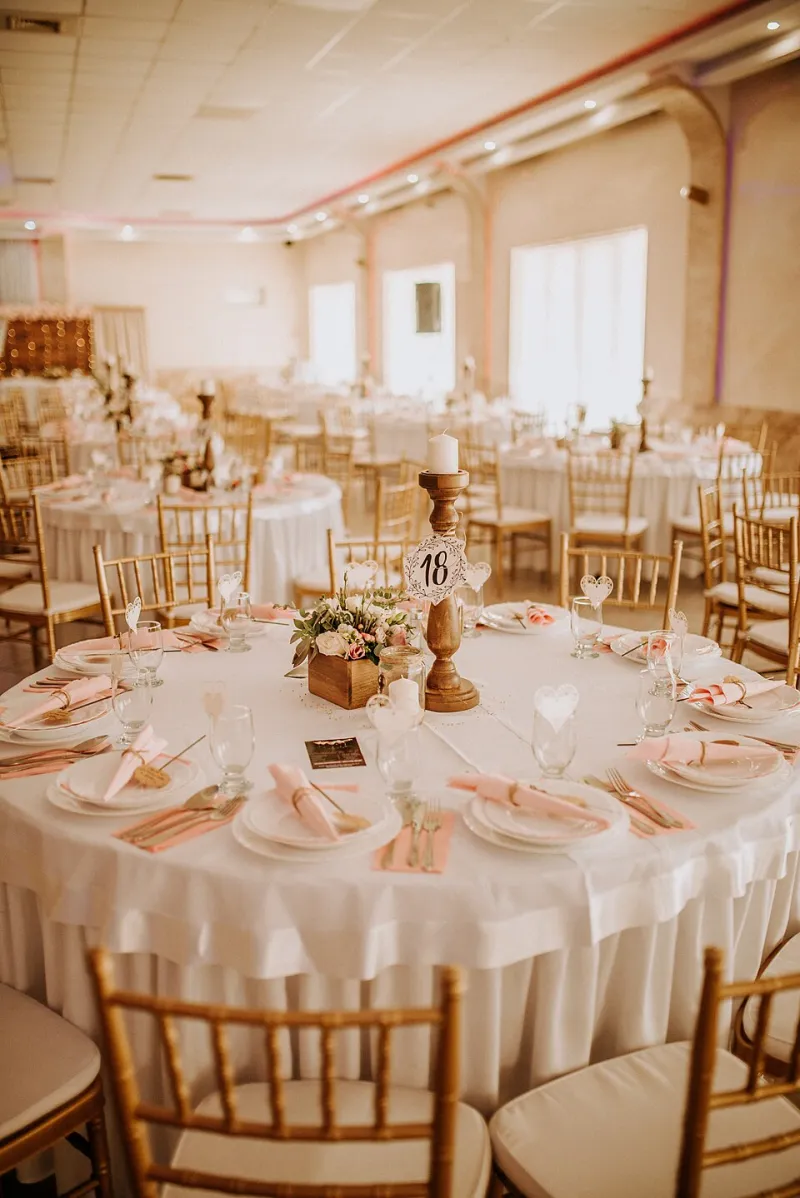
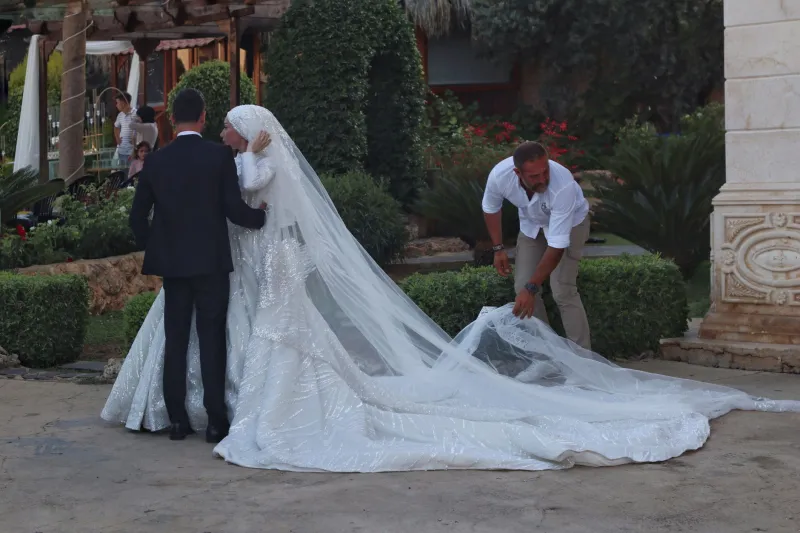
Photo: destination wedding personalized details storytelling decor intimate gathering, via www.paperinkandpassports.com
There is a particular quality that distinguishes the celebrations people speak about for the rest of their lives from the ones they simply remember as lovely. It is not the grandeur of the venue, the caliber of the cuisine, or the extravagance of the florals—though all of these elements matter. It is the unmistakable sense that the event could not have belonged to anyone else. That every detail, from the welcome ritual at the front door to the final song of the evening, was an expression of a specific, irreplaceable human story.
This is the ambition at the heart of the finest destination event planning: not to produce a beautiful occasion, but to produce a true one. What follows are seven of the most powerful techniques through which personal storytelling can be woven into the fabric of a destination celebration, transforming it from a spectacular gathering into something closer to a pilgrimage.
1. Begin With the Origin: Choosing a Destination That Holds Meaning
The single most consequential storytelling decision in destination event planning is the selection of the location itself. A destination chosen purely for its visual appeal will produce photographs. A destination chosen because it holds genuine significance for the hosts will produce meaning.
Perhaps it is the coastal town in Maine where a couple spent their first weekend together. Perhaps it is the city in Colorado where a family gathered annually for three generations. Perhaps it is a vineyard in the Willamette Valley that represents a shared passion for wine and the unhurried pleasures of the table. Whatever the connection, when guests arrive at a place that matters—and when they are told, clearly and beautifully, why it matters—the entire experience is recontextualized. They are not simply visiting a lovely location. They are entering someone else's story.
2. Design a Welcome Ritual That Speaks Before a Word Is Said
The moment guests arrive at a destination celebration is one of the most underutilized storytelling opportunities in the entire event. A standard welcome—a sign, a table of name cards, perhaps a glass of champagne—communicates hospitality. A designed welcome communicates identity.
Consider what a welcome ritual might include: a handwritten note from the hosts that explains what this place means to them and what they hope guests will feel during their time here. A curated playlist of songs that have marked milestones in the couple's relationship, playing softly as guests orient themselves to the space. A display of photographs, not formal portraits, but candid images from the years and experiences that led to this moment. A signature welcome drink that references a specific memory—the cocktail from the bar where they met, the wine from the region where they became engaged.
These details require thought, not necessarily additional budget. And their impact on the emotional register of the entire event is immediate and lasting.
3. Commission a Custom Object That Carries the Full Story
Every exceptional destination celebration benefits from at least one object that has been created specifically for it—something that could not have been made for any other event. This might be a hand-illustrated map of the locations that have mattered most in the hosts' shared history, printed as a keepsake for each guest. It might be a custom fragrance, developed with a perfumer to evoke a specific place or memory, diffused throughout the venue. It might be a piece of original music, composed for the first dance and performed live.
These commissioned objects serve multiple purposes simultaneously. They are beautiful. They are personal. They are genuinely unique. And they give guests something tangible to carry home—a physical artifact of the story they participated in.
4. Let the Menu Narrate
Food is among the most visceral and emotionally resonant storytelling media available to an event planner. A menu designed around the couple's or hosts' shared culinary history—the dish from their first real dinner together, the regional specialty from the place they consider their spiritual home, the dessert that has appeared at every family celebration for decades—does something that no amount of visual décor can fully replicate. It places the story directly in the body.
The key is in the telling. A menu card that simply lists dishes is a catalog. A menu card that briefly explains why each dish was chosen—"The heirloom tomato salad is a nod to the garden in Vermont where we spent our first summer together"—transforms dinner into a narrative experience. Guests eat differently when they understand what they are consuming. They are more present, more moved, more connected to the people they are there to celebrate.
5. Curate Entertainment That Reflects Rather Than Performs
The default approach to event entertainment—a band that plays popular wedding standards, a DJ working from a genre-neutral crowd-pleasing playlist—produces celebrations that feel professionally executed but generically so. The alternative is entertainment that has been curated as a direct expression of the hosts' cultural and personal identity.
This does not require unconventional choices for their own sake. A couple who met at a jazz club in Chicago and have spent a decade attending performances together should have a jazz trio at their celebration—not because it is fashionable, but because it is true. A host who grew up attending her grandmother's flamenco performances in New Mexico should consider whether that art form belongs somewhere in her milestone celebration. The question to ask of every entertainment decision is not "Will guests enjoy this?" but "Does this belong to us?"
6. Build in Moments of Deliberate Witness
One of the most powerful and least commonly employed storytelling techniques in destination event planning is the deliberate creation of moments in which guests are invited to witness something private becoming public. This might take the form of a letter exchange between partners, read aloud to assembled guests. It might be a video tribute that reveals, for the first time, the full arc of a family's history. It might be a ceremony in which guests are invited to contribute—a stone placed in a vessel, a word written on a card, a ribbon tied to a structure that will remain at the venue after the event concludes.
These moments of witness transform guests from audience members into participants. They become part of the story rather than observers of it, and that shift in role is one of the most reliable mechanisms for producing the deep emotional resonance that the finest celebrations achieve.
7. Close With Intention: Design the Ending as Carefully as the Beginning
The final moments of a destination celebration carry extraordinary narrative weight, and they are frequently the moments given the least deliberate design attention. A celebration that ends with guests simply drifting toward the exit has squandered one of its most powerful storytelling opportunities.
A designed closing might involve a final gathering of all guests in a specific location—outdoors under open sky, or in a room that holds particular significance—for a brief, intentional ritual of farewell. It might involve a parting gift that connects directly to the event's central narrative: a jar of honey from the property's bees, a packet of seeds from the garden that surrounded the venue, a small book of the evening's photographs developed on-site and placed in each guest's hand as they depart.
What guests feel as they leave a celebration is the emotional note they will carry with them indefinitely. Designing that note—choosing it deliberately rather than allowing it to arrive by chance—is the final and perhaps most enduring act of storytelling available to the thoughtful host and the exceptional planner working in their service.