Conducting the Ceremony of Feeling: How Master Planners Sequence Emotion Across an Entire Celebration
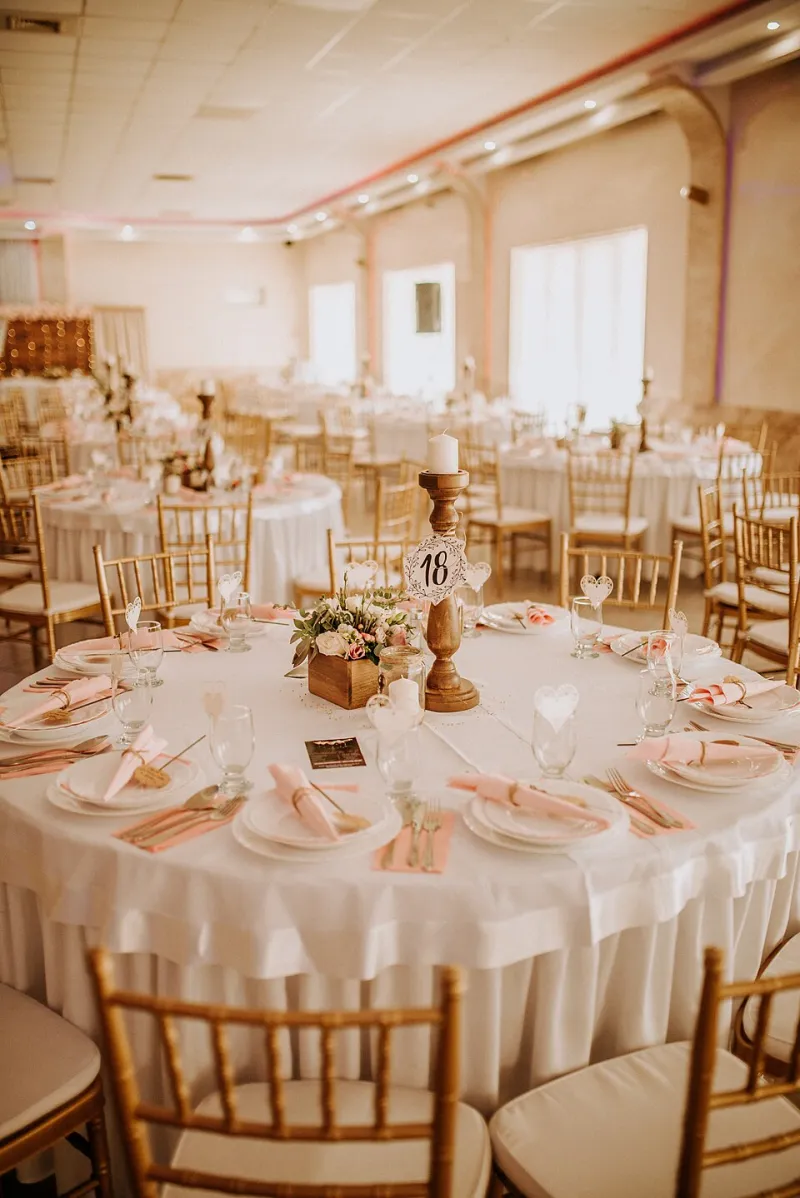
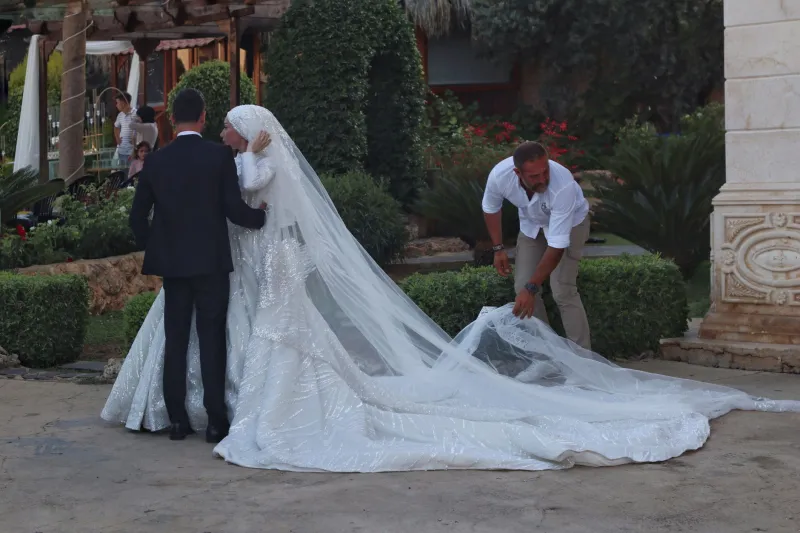
Photo: Shixart1985, CC BY 2.0, via Wikimedia Commons
There is a moment at nearly every exceptional celebration when a guest leans toward the person beside them and whispers, "I don't know why, but I'm about to cry." That moment is not accidental. It was placed there—deliberately, thoughtfully, and with extraordinary care—by a planner who understands that emotion is not merely a byproduct of a beautiful event. It is the event's primary architecture.
The finest celebrations in the world are not defined by their floral installations or their venue grandeur alone. They are defined by the sequence of feeling they produce. Much like a symphony that moves between tender pianissimos and swelling fortissimos, an expertly planned event carries guests through a carefully constructed emotional landscape. Understanding how that landscape is built is one of the most compelling conversations happening in upscale event planning today.
The Psychology Behind the Pause
Before a planner can choreograph a peak emotional moment, they must first understand the architecture of anticipation. Human emotion does not sustain itself at a constant pitch. Guests who are overwhelmed from the opening moment will be numb by the time the most meaningful rituals arrive. Conversely, a celebration that opens too quietly risks losing momentum before it ever builds.
Master planners think in terms of emotional contrast. A brief, unhurried moment of silence before a processional begins—perhaps just fifteen seconds of stillness—can amplify the impact of what follows by an order of magnitude. The quiet is not emptiness. It is preparation. It is the indrawn breath before the note.
This principle extends far beyond the ceremony itself. Cocktail hour, often dismissed as a transitional interlude, is in fact one of the most powerful emotional reset opportunities in a full-day celebration. When designed with intention—perhaps featuring a small, unexpected musical performance, a beautifully curated display of the couple's travel photographs, or a signature cocktail whose story is told on a handwritten card—it recalibrates the guest's emotional state and readies them for the evening's next arc.
The Unexpected Toast: Timing's Most Powerful Instrument
Few moments at a wedding or milestone celebration carry more emotional potential than the unscripted or strategically repositioned toast. Conventional planning places toasts neatly between courses, in a predictable sequence that guests have come to expect. What sophisticated planners have discovered, however, is that surprise is one of emotion's most reliable amplifiers.
Consider the effect of a toast delivered not at the dinner table, but during the first dance—a brief, heartfelt interruption that reframes the moment entirely. Or a parent's tribute offered not at the reception, but during a private first-look gathering, witnessed by only the couple and their closest family. These repositioned rituals do not diminish the celebration's formality. They deepen it by making the emotional delivery feel genuinely unrehearsed, even when it has been carefully orchestrated.
The distinction between planned and choreographed is essential here. Guests should never feel managed. They should feel moved.
Crescendo Points: Designing for the Peak
Every exceptional celebration has what planners at the highest level refer to as its crescendo point—the single moment toward which the entire emotional arc has been building. Identifying that moment, protecting it from dilution, and designing the sequence that leads into it is the central challenge of emotional timeline planning.
For some celebrations, the crescendo is the first dance. For others, it is the cake cutting, a surprise performance, a lantern release over open water, or the reveal of a deeply personal video tribute. The specific vehicle matters far less than the structural decision to build toward it deliberately and to resist the temptation to front-load the evening with competing emotional peaks.
One of the most common mistakes in self-planned events is the placement of too many high-intensity moments in close succession. When guests experience an elaborate entrance, immediately followed by an emotional ceremony, immediately followed by a surprise performer, the cumulative effect is not amplification—it is saturation. The emotional palette becomes muddied, and what should be singular moments become indistinct.
A well-constructed timeline breathes. It alternates between intimacy and spectacle, between stillness and celebration, between the personal and the communal.
The Ceremonial Transition as Emotional Punctuation
Transitions between phases of a celebration—from ceremony to cocktail hour, from dinner to dancing—are frequently treated as logistical necessities rather than design opportunities. This is a significant missed opportunity.
Thoughtfully designed transitions serve as emotional punctuation. They tell guests, both consciously and subconsciously, that one chapter has closed and another has begun. A simple but elegant shift in lighting temperature as guests move from ceremony to reception signals a change in emotional register. A brief, unexpected moment of live music at the threshold of the dining room—a string quartet playing a beloved song that holds personal meaning for the hosts—can serve as an emotional bridge that carries guests from reverence into joy.
At Belle Destination Events, we approach every transition on a timeline as a micro-narrative opportunity. Each one can either interrupt the emotional flow or deepen it, depending entirely on the intention brought to its design.
Quiet Moments as the Foundation of Meaning
Perhaps the most counterintuitive truth in emotional timeline planning is this: the quiet moments are frequently the ones guests remember longest.
A private moment built into the timeline for the couple to step away from their own reception—to stand at a window overlooking the venue, to share a brief, unwitnessed exchange—is not an absence from the celebration. It is the celebration's emotional anchor. When couples return to their guests after such a moment, something has shifted. The room feels it, even if no one can articulate precisely why.
Designing space for stillness within a celebration requires confidence. It requires a planner willing to resist the impulse to fill every minute and a client willing to trust that meaning often arrives not in the grand gesture, but in the unhurried pause between them.
The most powerful celebrations are not the loudest or the most visually extravagant. They are the ones that leave guests feeling, hours or even years later, that they were present for something that mattered. That feeling is designed. It is the highest form of our craft.