Beyond the Venue: Why Your Event Date Is the Most Consequential Decision You Will Make
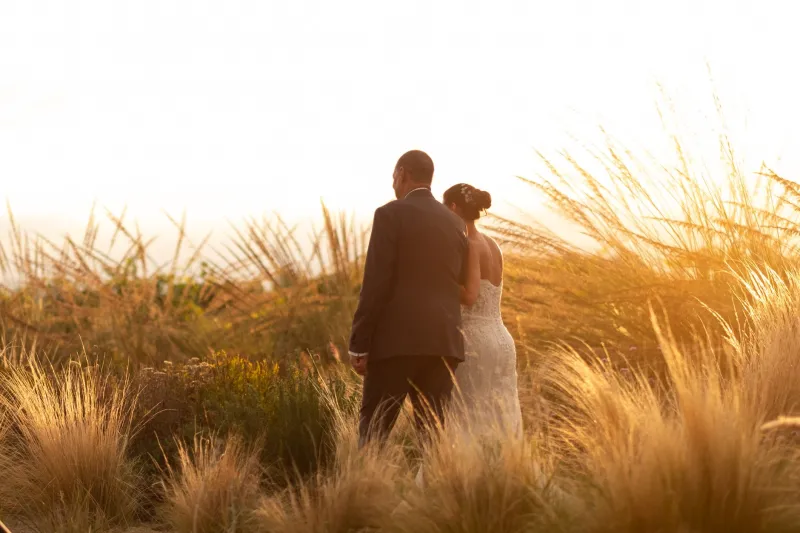
For couples embarking on the journey of planning a destination wedding or upscale celebration, the instinct is often to begin with the visual — the sweeping coastal terrace, the vineyard at golden hour, the historic estate draped in soft candlelight. What receives far less romantic attention, yet carries equal strategic weight, is the question of when. The date you select for your destination event is not merely a logistical formality. It is, in many respects, the foundation upon which every other decision rests.
At Belle Destination Events, we have observed that couples who invest time in understanding the temporal landscape of their chosen destination — its climate rhythms, its cultural calendar, its shoulder seasons — consistently experience smoother planning processes, more favorable pricing, and celebrations that feel genuinely harmonious with their surroundings.
The Myth of the Perfect Season
There is a prevailing assumption that certain seasons are universally ideal for outdoor events. Spring and fall are frequently cited as the safest choices, and while this intuition holds in many regions, it is far too broad to serve as reliable guidance for destination planning.
Consider the Florida Keys, a perennial favorite for waterfront celebrations. October sits comfortably within what many consider the fall "sweet spot," yet it also falls squarely within the Atlantic hurricane season, which runs through November 30. A couple who selects an early October date without accounting for this reality may find themselves navigating last-minute contingency planning that no amount of décor can resolve.
Conversely, the Pacific Northwest — destinations like the Columbia River Gorge or the San Juan Islands — experiences its most reliably dry and temperate conditions in July and August, months that couples from warmer climates sometimes avoid out of misplaced concern for summer heat. Understanding that "summer" in coastal Oregon bears little resemblance to summer in Phoenix is the kind of regional nuance that separates a well-planned event from a reactive one.
Reading Regional Weather Patterns With Precision
Beyond broad seasonal generalizations, truly strategic date selection requires an understanding of microclimates and historical precipitation data. Resources such as NOAA's climate summaries and local meteorological archives offer decade-long averages that are considerably more informative than a quick internet search.
For Caribbean destination weddings — St. John, Turks and Caicos, or the Dominican Republic — the period between mid-April and early June represents what industry professionals often call the "sweet shoulder": post-peak pricing, diminished tourist crowds, and weather that is warm and largely settled before the June-through-November tropical storm season intensifies. Couples who capitalize on this window frequently discover that they can access premier venues and accommodations at rates 20 to 35 percent below high-season pricing.
In Tuscany and the Amalfi Coast, two destinations that attract significant interest from American couples seeking European elegance, August is climatically challenging. Temperatures routinely exceed 95 degrees Fahrenheit, and the Italian tradition of Ferragosto — a national holiday period centered on August 15 — means that local vendors, staff, and services may be operating at reduced capacity. Late September and early October, by contrast, offer harvest-season beauty, cooler temperatures, and a landscape transformed by the colors of the vine.
The Hidden Disruption: Local Events and Cultural Calendars
Perhaps the most consistently underestimated planning variable is the local event calendar. Municipal festivals, regional sporting events, cultural celebrations, and even academic calendars can compress hotel availability, inflate room rates, and redirect local transportation resources in ways that directly affect your guests' experience.
Napa Valley, for instance, hosts the BottleRock music festival each May and the Napa Valley Film Festival each November — both of which draw tens of thousands of visitors and create acute demand for accommodations across the region. A couple who books their vineyard wedding during one of these weekends without awareness of the overlap may find that guests are paying two to three times the typical nightly rate, or are unable to secure rooms within a reasonable distance of the venue at all.
Similarly, couples drawn to New Orleans for its unparalleled atmosphere should be acutely aware that Mardi Gras season, Jazz Fest (held across two weekends in late April and early May), and the French Quarter Festival each create city-wide accommodation shortages. The city's charm is undeniable year-round, but the timing of a celebration there requires careful cross-referencing with the municipal events calendar.
For destination events in mountain communities — Aspen, Park City, or Jackson Hole — ski season weekends in February and March are among the most logistically complex times to host a celebration. Lift-ticket holders and ski patrons compete directly with wedding guests for lodging, dining reservations, and ground transportation. Couples who prioritize the alpine aesthetic without accounting for these dynamics often encounter friction that diminishes the seamless experience they envisioned.
Shoulder Season as a Strategic Advantage
The concept of the shoulder season — those transitional weeks that fall between a destination's peak and off-peak periods — deserves more attention than it typically receives in mainstream wedding planning conversations. These windows offer a compelling combination of favorable pricing, reduced congestion, and conditions that are often nearly indistinguishable from peak-season quality.
In coastal Maine, the weeks of late September and early October bring the celebrated fall foliage, cooler but manageable temperatures, and a dramatic quieting of the summer tourist surge. Venues that are fully committed months in advance during July and August frequently have availability during this period, and local vendors tend to offer more attentive service when they are not simultaneously managing multiple peak-season events.
The Hawaiian islands present a similar opportunity. While December through March represents peak demand driven by mainland visitors escaping winter, the months of April, May, and September offer comparable beauty — lush landscapes, warm ocean temperatures, and consistent sunshine — at meaningfully lower costs. Maui's road to Hana is no less spectacular in May than it is in January, but your guests' hotel rates will tell a very different story.
Building a Date Selection Framework
Given the complexity of these variables, we recommend that couples approach date selection as a structured research process rather than an intuitive one. Begin by identifying a range of acceptable dates — ideally a window of three to four months — rather than anchoring immediately to a single date. Within that range, layer in the following considerations:
Climate data: Consult historical weather averages for your destination, paying particular attention to precipitation probability, temperature ranges, and the presence of any regional weather phenomena such as monsoon seasons, wildfire smoke periods, or coastal fog patterns.
Local event calendars: Research the municipal, regional, and national event calendars for your destination. Tourism board websites, convention and visitors bureau publications, and local news archives are valuable resources.
Accommodation availability and pricing: Run preliminary hotel searches across your candidate dates to identify any anomalous pricing spikes that may signal a competing event or peak-demand period.
Vendor availability: Consult your preferred vendors early. Experienced local photographers, florists, and caterers often have an intuitive awareness of which dates are problematic in their market.
The Reward of Deliberate Timing
A destination event that unfolds in harmonious relationship with its environment — where the light falls as anticipated, where guests move through the weekend with ease, where the surrounding community feels like a welcoming backdrop rather than an obstacle — is the product of deliberate, informed planning. Timing is not a secondary consideration to be resolved after the venue is secured. It is, in fact, the invisible architecture upon which every beautiful moment is built.
At Belle Destination Events, we believe that the most memorable celebrations are those where nothing feels accidental. The date you choose is your first opportunity to demonstrate that commitment to intentionality — and its impact will be felt in every detail that follows.